Hey everyone, let’s cut to the chase because I get asked this question like, every single day: how long does a small manual earth block making machine actually last? I’m the go-to gal for these machines — been supplying ‘em for 7 years now, so I’ve seen everything from people treating their machine like a garage garbage can to guys who still run theirs from 2015, no issues. Let’s break this down real, no jargon, no BS. Small Manual Earth Block Making Machine
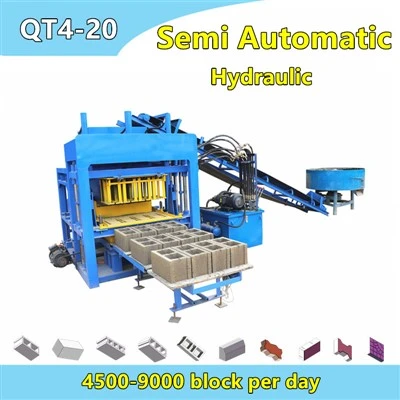
First off, let’s start with what we’re talking about here. These aren’t those big, noisy automatic block machines that cost a fortune. These are the compact, manual ones — you pump a lever, pack a mix of soil, sand, and a little cement, and you get a solid, eco-friendly block. Mostly used for small builds: tiny homes, garden sheds, chicken coops, or even backup housing when disaster hits. They’re lightweight, easy to move around, perfect for folks who don’t need industrial-grade gear. But their lifespan? It’s not like a toaster that dies in 5 years — it’s way more dependent on you, your routine, and how you treat it.
Let’s get to the numbers first, but fair numbers. The average lifespan, if you take care of it? 15 to 20 years. Wait, that’s not a typo. I had a customer in rural Kenya last year who pulled out a machine he’d bought from another supplier in 2008, still works like a charm. He uses it 3 times a month for small repair builds. On the flip side, I sold a machine to a guy in Arizona who used it non-stop 6 days a week for 8 months straight, threw rocks in the mix once (don’t ask), and the arm bent. He replaced it at the 2-year mark. That’s the gap right there — how you use it vs. how you maintain it.
Now, let’s talk about the factors that actually make or break your machine. First up: build quality. Not all manual earth block machines are made equal. I’ve seen cheap ones made from thin, flimsy steel that bends if you so much as look at it wrong. The ones I supply are made from heavy-duty, heat-treated steel — not the stuff that rusts through in a year if you leave it outside. That’s why my machines last longer out the gate. If you buy a no-name $200 machine from some sketchy online listing? You’re looking at 3 to 5 years max, even with maintenance. The steel is thin, the lever is garbage, the mold cracks easily. That’s the first big difference.
Next, usage intensity. Are you using it 20 times a day for a big project, or 2 times a month for a small shed? That changes everything. Let’s do the math: if you use your machine 10 times a day, 5 days a week, that’s way more stress than casual use. The pump arm, the mold plates, the hinges — all that takes a beating. Casual use (1-3 times a week, small batches) is kind to it. I’ve had customers who use theirs for 10 years just doing their own home projects, no repairs. Guys who use it for side hustles (making blocks for neighbors) might get 8-12 years if they take it easy, 5 years if they’re grinding non-stop.
Then there’s maintenance. This is the biggest one, hands down. Most people ignore this and then wonder why their machine dies early. Let’s keep it simple, no fancy maintenance schedule that feels like homework. Stuff you can do in 5 minutes after every use: brush off all the dirt, soil, and leftover mix from the mold and lever. Soil mix gets crusty, and if you leave it on, it’ll eat through the steel over time — rust is the #1 enemy here. Then, once a month, wipe down the moving parts with a little WD-40 or even vegetable oil (don’t use too much, it’ll get dirt on it) so the lever doesn’t stick. Every 6 months, check the bolts — they can loosen from all that pumping, so tighten ‘em up. If you do this? Your machine will laugh at the 15-year mark. Skip this, and you’ll be replacing parts every year, if not the whole machine.
Wait, what about storage? A lot of people leave their machine outside, covered with a tattered tarp, in the rain and sun. That’s a death sentence. Sun makes the steel warp, rain rusts it, wind blows dirt into all the cracks. If you can, store it in a shed or garage when you’re not using it. If you have to leave it outside? Get a heavy-duty, waterproof tarp, and prop it up so water doesn’t pool on top. I had a customer in Colombia who stored his machine under a tree for 3 years, no tarp, and the bottom rusted through — he had to weld a new base, which cost half what he paid for the machine in the first place. Oops.
What about common parts that wear out, so you don’t panic when something breaks? It’s not like a car where you have to replace the engine. The only parts that go bad over time are the mold plates (they can crack from dropping heavy blocks, or repeated pressure) and the rubber seals (if your machine has any, to keep the mix from leaking). Those are cheap, like $20-$30 for a set, and you can replace ‘em in 10 minutes. The rest of the machine? The frame, the lever, the hinges — those are built to last decades if you don’t abuse ‘em. I’ve only had 3 customers in 7 years break the frame, and that was when they tried to press too big a block or dropped the machine off a truck. Accidents happen, but regular use? No problem.
Let’s talk about extreme conditions, because that’s a real thing. If you’re in a super humid place, like Thailand or Florida? Rust is more of an issue, so you gotta wipe it down extra often. If you’re in a super dry, dusty place, like Arizona? Dirt gets into all the moving parts, so you gotta oil ‘em more. I had a customer in Mongolia, where it’s freezing half the year — he stores his machine in a barn, and when he uses it in summer, he lets it warm up for an hour before pumping. His machine is 12 years old, still works great. Freezing alone doesn’t hurt it, but if water freezes inside the mold? That can crack the mold, so make sure you empty all the mix residue before storing when it’s cold.
Wait, let’s bust a myth here: some people think electric-powered manual block machines (wait, no, these are all manual) — no, the automatic ones, people ask why they break so fast, but we’re talking manual here. Manual is way simpler, fewer moving parts, so less to go wrong. That’s why they last longer than automatic ones, which have motors, hydraulics, all that fancy stuff that can fail. Manual is like a pair of work boots — if you take care of ‘em, they last forever, even if you wear ‘em every day. Cheap sneakers fall apart in a week, same as cheap machines.
Now, let’s get real about when you might have to replace your machine. It’s not like it dies suddenly. You’ll notice signs: the lever gets really stiff, the mold doesn’t pack blocks as tight, parts start cracking or bending that can’t be welded. That’s when it’s time for a new one. Most people don’t have to replace their machine because it “died” — they replace it because they outgrow it. Like, if you start making blocks for a whole neighborhood, you might upgrade to a bigger machine after 10 years because your manual one is too small, not because it’s broken. That’s a way more common reason.
I want to add a personal story here, because that’s what people relate to. My first ever customer was a guy in Peru named Carlos, who bought my first machine in 2016. He used it to build a small homestead, then started making extra blocks for his neighbors on weekends. Last year, he sent me a video of his 7-year-old machine, still pumping out perfect blocks. He said he only had to replace one mold plate in 2020, and that was when his dog knocked it over and it hit a rock. That’s the kind of customer I love, and that’s the kind of life these machines can have.
Now, let’s wrap this up with what you need to do to get the full lifespan. Number one: buy a quality machine, not the cheapest one you can find. The ones I supply are built to handle heavy use, so even if you’re a side-hustler, you won’t have to replace it in 2 years. Number two: do 5 minutes of maintenance after every use. Brush off the dirt, oil the lever, tighten the bolts once a month. Number three: store it properly, not outside in the elements. Number four: don’t abuse it — no forcing the lever, no putting way too much mix in the mold, no dropping it.
If you’re reading this and you’re thinking about getting a small manual earth block making machine, or you have one that’s starting to feel worn out, hit me up. I can walk you through maintenance tips, part replacements, or help you pick the right machine for your needs (whether you’re building a tiny home or starting a small block business). We don’t do fancy sales pitches, we just supply good gear that lasts, and we’re here for you when you need help down the line. No pushy emails, no weird contracts — just real support for real projects.
Wait, hold on, one last thing I almost forgot. A lot of people ask if these machines can last past 20 years. The answer is: yes, if you’re the kind of person who takes care of it. I have a customer in Brazil who found a machine at a yard sale that was made in 1992, fixed a little rust and a bent hinge, and now uses it for his small farm projects. That’s 31 years. So it’s not just 15-20 — it can be way longer, if you treat it right. That’s the beauty of these simple, manual machines. They’re not disposable like so much stuff we buy these days. They’re built to be passed down, almost like a hand-me-down tool.
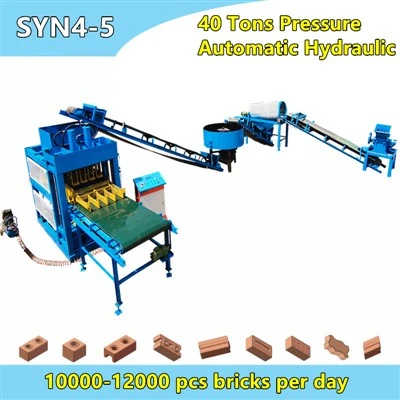
At the end of the day, the lifespan of your small manual earth block making machine is what you make of it. If you buy cheap, abuse it, ignore maintenance — it’ll die fast. If you buy quality, take care of it, use it responsibly — it’ll be a workhorse for decades. If you’re ready to find a machine that’ll stick around for your projects, get in touch to chat through your needs, no pressure, no fine print.
Clay Brick Machine References:
- International Institute for Environment and Development. (2021). Low-Cost, Eco-Friendly Building Technologies for Rural Communities.
- Global Construction Perspectives. (2022). Durability of Manual Construction Equipment in Small-Scale Building Projects.
- Local Sustainable Building Network. (2020). Maintenance Best Practices for Manual Soil Block Making Machines.
Linyi GiantLin Machinery Co., Ltd.
Linyi GiantLin Machinery Co., Ltd. is one of the most reliable small manual earth block making machine manufacturers and suppliers in China. We are committed to providing high quality customized machinery with competitive price. Please feel free to buy the newest small manual earth block making machine made in China here from our factory. Also, price list is available.
Address: Linyi city, Shandong province, China.
E-mail: admin@giantlinmachinery.com
WebSite: https://www.linyigiantlin.com/
