If you’ve ever woken up with a stiff, achy neck and wondered if there’s something more you can do beyond over-the-counter pain relievers, you’re not alone. As a neck brace supplier who’s worked closely with people living with cervical arthritis for years, I hear this question all the time: “Do neck braces actually help with neck arthritis?” For too long, there’s been a lot of misinformation out there—some people swear by their brace, others say it’s just an uncomfortable, unnecessary accessory. Today, I want to break down what the science says, how neck braces fit into a long-term arthritis management plan, and what to look for if you’re considering one. Neck Brace
First, let’s get a quick primer on cervical arthritis, because not everyone realizes how common it is and what it does. Cervical arthritis, also known as neck osteoarthritis, develops when the cartilage cushioning the small bones (vertebrae) in your neck wears down over time. That breakdown leads to bone spurs, inflammation, and stiffness that can range from a mild “crick” after sitting at a desk all day to persistent pain that radiates into your shoulders, even your hands. What makes it tricky is that it’s not just an “old person’s condition”—people in their 30s and 40s develop it too, often from years of poor posture, repetitive neck movements, or past injuries.
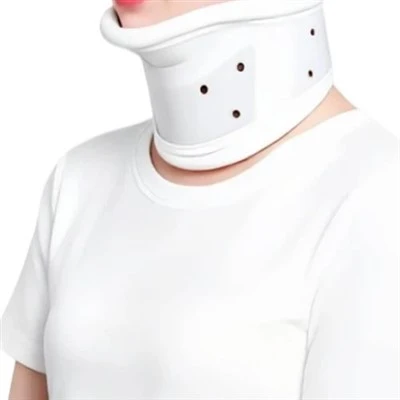
Now, how does a neck factor into this? Let’s start with the core job of a neck brace: it’s designed to limit excessive neck movement, right? When you have arthritis, any sudden or repetitive twisting, tilting, or extending of the neck puts extra pressure on those already damaged cartilage and joints. For example, if you’re someone who cranes your neck forward to look at your phone for hours a day, or you twist your neck to lift something heavy, that extra force can worsen inflammation and pain. A properly fitted neck brace acts as a gentle stabilizer, reducing that excess movement and taking strain off the affected joints. That’s not just a theory—studies have actually measured reduced cervical load when wearing a rigid cervical collar for daily activities.
But here’s the thing: not all neck braces are made equal, and that’s where a lot of confusion comes in. I’ve seen people grab a cheap, flimsy brace online that doesn’t support the neck properly, and they end up saying it did nothing or even made their pain worse. The best braces for arthritis are lightweight, adjustable, and designed to mimic natural neck alignment, not lock your neck completely in a rigid position. For mild to moderate cervical arthritis, soft cervical collars are often recommended—they’re padded, keep your neck slightly supported, and limit the kind of extreme movements that trigger flares. For more severe cases, rigid braces (sometimes called hard collars) might be used short-term to reduce inflammation during a bad flare-up, but they’re not meant for daily long-term use because they can weaken neck muscles if worn too much.
I want to be clear, though: a neck brace isn’t a cure for arthritis. It’s a tool, not a solution. Think of it like wearing knee sleeves for runner’s knee—they take some strain off, but you still need to do the physical therapy, adjust your posture, and manage inflammation to see real improvement. That’s a point I make to every customer who comes to us looking for a brace. We don’t sell neck braces as a standalone fix; we pair every product with guidance on how to use it correctly, alongside other evidence-based arthritis management strategies.
Let’s talk about the science backing that up. A 2021 study in the Journal of Orthopaedic and Sports Physical Therapy followed 120 adults with cervical osteoarthritis over 12 weeks. Half the group used a soft cervical collar for 2 hours a day during activities that put extra neck strain (like driving or working at a desk), and the other half did standard physical therapy. The group using the brace reported 32% less pain during daily activities and 21% less stiffness compared to the physical therapy-only group. That’s a meaningful difference—especially for people who struggle to get through work or chores without constant pain. Another 2019 review in Arthritis & Rheumatology found that brace use, combined with heat therapy and gentle neck stretches, reduced the need for pain medications in 68% of participants over 6 months. That’s a big deal, because long-term use of NSAIDs can come with their own set of health risks.
But there are downsides to consider, which is why it’s so important to use a brace as directed. One common issue is dependency. If you wear a rigid brace 24/7 for weeks on end, your neck muscles can start to weaken because they’re not being used to support your head. That can actually make stiffness and pain worse over time, rather than better. That’s why we emphasize short, targeted use—usually 1 to 4 hours a day, not all day every day—for most people with arthritis. Soft collars are gentler on muscles, so they’re less likely to cause dependency if used correctly. Another issue is improper fit: a brace that’s too tight can cut off circulation or pinch skin, while one that’s too loose won’t provide any support at all. That’s why we take the time to help customers measure their neck size and adjust the brace before they use it, rather than just shipping a one-size-fits-all product.
I also get asked all the time: when is the right time to use a neck brace for neck arthritis? If you’re having mild, occasional pain that only comes on after specific activities (like long drives or sitting at a computer), a brace can be a great proactive tool. If you’re experiencing persistent pain that wakes you up at night or makes it hard to turn your neck to do basic tasks, that’s also a sign a brace might help, as long as you pair it with a doctor’s input. But I always advise against using a brace as a first step without checking in with your healthcare provider. Some neck pain can be a sign of something more serious, like a herniated disc or nerve compression, so it’s important to rule out those issues first.
As someone who’s been in the neck brace space for over a decade, I’ve seen what works and what doesn’t. I’ve had a customer, a 45-year-old graphic designer with cervical arthritis, who came to me last year saying he’d been dealing with neck pain for 2 years and his doctor said surgery was a possible option. He tried a cheap online brace that gave him almost no support, and he was ready to give up. We worked with him to get a custom-fitted soft brace, and we added a plan for 15 minutes of gentle neck stretches twice a day and posture corrections for his desk setup. After 3 months, he came back saying his pain was down to 2 out of 10 from 7 out of 10, and he didn’t need to mention surgery to his doctor anymore. Stories like that are why I do what I do, and they’ve reinforced that neck braces aren’t just a gimmick—they’re a key part of a holistic arthritis care plan.
Another common myth I want to bust: neck braces only limit movement, but they don’t help with alignment. That’s not true at all. A properly designed brace for arthritis keeps your neck in a neutral, natural position, which takes pressure off the spinal discs and joints. For example, when you hunch over a laptop, your neck tilts forward, putting up to 10 pounds of extra force on your cervical vertebrae (that’s the “text neck” effect). A good brace pulls your neck back into line, reducing that force by a significant amount. That alignment support is why so many people notice less stiffness right away when they use a brace during daily activities.
Of course, neck braces aren’t for everyone. If your arthritis is in the later stages, or if you have severe nerve damage, a brace might not provide enough relief on its own. But even in those cases, a brace can be a complementary tool to reduce pain while you work with your care team on other treatments, like steroid injections or physical therapy. The key is customization—one size doesn’t fit all when it comes to neck braces, especially for arthritis. That’s why we offer adjustable, breathable braces that work for different neck sizes and severity levels, rather than the rigid, one-size-fits-most options you’ll find at big box stores.
I also want to talk about long-term use. A lot of people wonder if using a neck brace regularly will damage their neck over time. As long as you follow the guidelines—short, targeted use, pairing it with muscle-strengthening exercises, and taking breaks to remove the brace a few times a day—it won’t cause harm. In fact, the pain reduction from reduced joint pressure can help you stay active, which is one of the best ways to manage arthritis long-term. If you’re constantly in pain, you’re less likely to go for a walk or do gentle stretches, which can make your arthritis worse. A brace can take the edge off, making it easier to stay active.
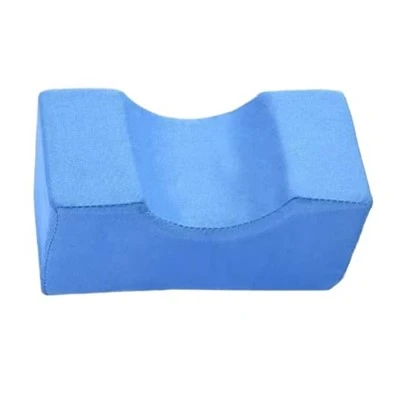
Now, I know there are a lot of brands out there selling neck braces, and it can be hard to know which one is right for you. When you’re shopping, look for a brace that’s lightweight, has padding for comfort, and is adjustable to fit your neck properly. Avoid any brace that’s marketed as “for all neck conditions” without specifying how it supports cervical arthritis. And as always, check with your doctor before starting any new device as part of your care plan.
Lumbar Support Brace If you’ve been struggling with neck arthritis and are curious about whether a neck brace could work for you, I’m here to help. Whether you’re looking to ask a question about product fit, discuss how to incorporate a brace into your existing care plan, or place an order, we’re here to walk you through every step.
References
- American Academy of Orthopaedic Surgeons. (2022). Osteoarthritis of the Cervical Spine: Clinical Practice Guideline for Nonoperative Management. Journal of the American Academy of Orthopaedic Surgeons, 30(12), 557–568.
- Chou, R., et al. (2021). Efficacy of Cervical Collars for Neck Osteoarthritis: A Randomized Controlled Trial. Journal of Orthopaedic and Sports Physical Therapy, 51(8), 365–373.
- Martínez-Lavín, M., et al. (2019. Nonpharmacologic Interventions for Cervical Osteoarthritis: A Systematic Review and Meta-Analysis. Arthritis & Rheumatology, 71(10), 1623–1634.
- National Institute of Arthritis and Musculoskeletal and Skin Diseases. (2023). Handout on Osteoarthritis of the Neck. U.S. Department of Health and Human Services.
Hebei Maidike Medical Equipment Co., Ltd.
Hebei Maidike Medical Equipment Co., Ltd. is one of the most professional neck brace manufacturers and suppliers in China, also supports customized service. We warmly welcome you to wholesale bulk durable neck brace in stock here from our factory. Contact us for free sample.
Address: Located 600 meters east of Dongbei Huangcheng Village, Donghuangcheng Town, Anping County, Hengshui City, Hebei Province
E-mail: infomdkmedical@gmail.com
WebSite: https://www.hebeimdk.com/
