Hey everyone, let’s cut right to the chase—if you’ve ever dabbled in roofing, solar panel installs, gutter upgrades, or even just hanging heavy stuff off a roof (we’ve all been there when you need to get holiday lights up high, right?), you’ve probably heard the term “metal roof hook” thrown around. But what actually is it? And more importantly, why does it matter way more than you think it does? As a guy who’s been supplying these bad boys for years, I’m here to break it down like we’re hanging out over a coffee, no stuffy engineering jargon that makes your eyes cross. Roof Hook
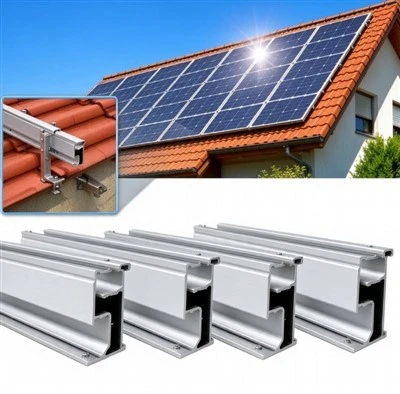
First off, let’s get the basics out of the way. A metal roof hook is, well, a metal hook—duh—but it’s not just any random hook you’d grab from your garage toolbox. I see people make that mistake all the time. They think, “Hey, a big metal screw with a hook end will work,” and boom, three months later their solar panel is dangling sideways or their gutter’s pulling right off the roof. That’s because a real metal roof hook is purpose-built for one specific job: attaching objects securely to metal roofs, without ruining the roof itself or risking a total disaster when a gust of wind hits.
Wait, let’s be clear—we’re talking about standing-seam metal roofs, corrugated metal roofs, any kind of roof that’s made of steel, aluminum, copper, that sort of thing. These roofs are super popular right now, especially for commercial buildings, farm sheds, even a lot of modern residential builds because they last forever, hold up great in rain and snow, and look sharp. But they’re different from shingled roofs, right? Shingled roofs have nails driven into the deck, but metal roofs have those panels snapped or fastened down in specific spots, so you can’t just drill a random hole anywhere and call it a day. That’s where the hook comes in.
Let’s talk about how these things work, because it’s actually pretty smart once you see it. The best metal roof hooks are made from heavy-gauge steel (we use hot-dipped galvanized or stainless steel for most of ours—rust is the last thing anyone wants on a roof, trust me) and designed to clamp or grip onto the existing metal roof panels, not puncture them unless you need a solid anchor point. Wait, hold on—there are two main types, right? Clamp-on hooks and screw-in hooks. Let’s break those down quick so you don’t mix them up.
Clamp-on hooks are the ones that don’t require drilling. They’re perfect if you’re a renter (wait, can renters even install stuff on metal roofs? Check your lease first, yeah) or if you don’t want to make any permanent holes in your roof. How do they work? They slide right over the raised seams of standing-seam metal roofs, then you tighten a bolt or a set screw so it clamps down tight on both sides of the seam. No holes, no leaks, no messing up the roof’s waterproofing. That’s a huge win. I’ve had customers use these for everything—hanging holiday lights that don’t blow down in a Texas wind storm, mounting gutter guards that actually stay put, even attaching safety harnesses for roof workers.
Then there’s the screw-in metal roof hook, which is for when you need way more hold. Like, if you’re mounting a heavy solar panel array—those things are not light, and they need to stay up no matter what nature throws at them. These hooks are designed to be screwed into the roof’s structural framing (the rafters, or the sub-panel supports that metal roofs are attached to) through a small, sealed hole. Wait, but here’s the trick: good screw-in hooks come with a rubber or EPDM gasket that seals around the hole once you tighten it down, so you never have to worry about a leak. I’ve seen cheap knockoff hooks that skip that gasket, and customers end up with water damage in their attic a year later. Don’t do that, trust me.
Now, let’s get into why these hooks are non-negotiable, not just a “nice to have.” I can’t tell you how many times I’ve gotten a panicked call from a customer who tried to use a regular old lag screw on their metal roof. They drilled a hole, screwed in the hook, and two weeks later it was loose because metal roofs expand and contract with temperature changes. Like, if it’s 90 degrees out, the metal panels get super hot and stretch, and when it drops to 30 at night, they contract. Regular hooks don’t account for that movement, so they can pull right out or damage the panel. Good metal roof hooks are engineered to flex a little with that temperature change, or designed to sit in a spot where the movement doesn’t affect the hold. That’s the difference between a hook that lasts 5 years and one that lasts 20+ years—our products are tested to handle that expansion and contraction, no issues.
Another big one: load capacity. If you’re hanging something heavy, like a solar panel that’s 40 pounds, or a security camera mount that needs to support 50 pounds, or a gutter that’s full of water and weighs 100+ pounds, you can’t use a random hook. Metal roof hooks are rated for specific load weights, and you’ve got to match the hook to what you’re hanging. I always tell customers, don’t round up—be honest about the actual weight of your item, and pick a hook that’s rated for at least 20% more than that. It’s better to be overprepared than replacing a broken gutter mid-rainstorm.
Wait, can we talk about common mistakes people make with these hooks? Because I see them all the time. First, buying cheap hooks from a random hardware store that aren’t rated for metal roofs. Those are usually made from thin steel that bends, or they don’t have the right coating to resist rust. I had a guy come to me last month with a hook he’d bought at a big box store that bent in half when he hung a 35-pound solar light. He ended up having to replace two metal panels where the bent hook pulled through. Total nightmare. Second, installing them in the wrong spot. For corrugated metal roofs, you don’t want to install a hook in the flat part of the corrugation—install it on the raised rib, that’s where the metal is strongest. For standing-seam roofs, same thing: clamp the hook onto the seam, not the flat panel. Third, not tightening them enough. Too loose, and they’ll slide around when the wind blows. Too tight, and you can dent the metal panel, which leads to rust down the line. It’s a balance, and that’s why using a proper metal roof hook, not a random piece of hardware, matters.
Now, let’s get to the fun stuff—what are people actually using metal roof hooks for these days? Solar is huge, obviously. Everyone’s going solar, and you need these hooks to mount the racking that holds the panels to the roof. Gutter systems, especially seamless gutters, work way better when you use metal hooks instead of the little plastic clips that come with some gutter kits—plastic breaks, metal hooks don’t. Roof access: if you’re inspecting your roof, cleaning gutters, or doing repairs, a metal roof hook is the best way to attach a safety line so you don’t fall. Even for commercial buildings, things like hanging banners for sales or events, or mounting HVAC equipment supports. I had a farm customer last year use our heavy-duty screw-in hooks to hang a custom bird feeder setup that holds 100 pounds of seed—said it’s stayed up through multiple Iowa blizzards, which is no small feat.
Wait, let’s address a question I get all the time: can I install these hooks myself? Short answer: yes, if you’re comfortable working on a roof, follow the instructions, and pick the right type for your roof. Clamp-on hooks are super easy—just slide them over the seam, tighten the bolt, done. Screw-in hooks are a little more work, but if you have a drill, a level, and you’re careful not to drill through the attic ceiling (pro tip: use a stud finder to locate the rafters before you drill), you can do it. That said, if you’re not comfortable on a roof, or you’re working on a commercial building, definitely hire a pro. Safety first, always.
As someone who’s been in this game for years, I’ll tell you: metal roof hooks aren’t just a tiny, insignificant part of a roof project. They’re the unsung heroes that make everything else work. A solar panel is only as good as the racking it’s mounted on, which is only as good as the hooks that hold the racking. Gutter guards won’t work if they’re held on by weak hooks. Safety harnesses are useless if the hook they’re clipped to is garbage. That’s why we don’t cut corners on our hooks. Every single one we supply is tested for rust, load capacity, and ability to handle temperature changes, so our customers don’t have to deal with the headaches I mentioned earlier.
Let me wrap this up real quick, because I know I rambled a little. To circle back: a metal roof hook is a purpose-built, metal-based fastener designed specifically to attach objects to metal roofs, with features like rust resistance, load rating, and compatibility with metal roof panels to prevent leaks, damage, or failure. There are two main types: clamp-on (no drilling, temporary or easy installs) and screw-in (heavy-duty, permanent installs for high-load items). The key is picking the right type, the right load rating, and installing it correctly, instead of grabbing a random hook from your garage.

If you’re in the market for metal roof hooks—whether you’re a homeowner doing a small project, a contractor working on a big commercial build, or a farm owner setting up equipment—hit me up. We have options for every use case, from small clamp-on hooks for holiday lights to heavy-duty screw-in hooks for solar and industrial gear. No generic junk, no overpriced stuff, just solid hooks that do the job right.
Solar Panel Clamp References:
- Standing Seam Metal Roof Installation Guidelines, National Roofing Contractors Association (NRCA), 2022.
- Metal Roof Accessory Compatibility Report, Metal Building Manufacturers Association (MBMA), 2021.
- Load Capacity Requirements for Roof Mounted Solar Systems, International Code Council (ICC), 2023.
Xiamen Bristar Technology Co., Ltd.
As one of the most professional roof hook manufacturers and suppliers in China, we also support custom service. Please feel free to buy durable roof hook at competitive price from our factory. Quality products and punctual delivery are available.
Address: Room 1603-3, Building 05, Zone C, No.63 Xishanwei Road, Xixi, Software Park Phase III, Xiamen Torch High-tech Zone, Jimei District, Xiamen City, Fujian Province, P.R.China
E-mail: Jenny@hfpvsystem.com
WebSite: https://www.bristarsolarmounting.com/
