If you’ve ever stood in a manufacturing plant, a construction site, or a marine repair bay watching a team troubleshoot a fluid power issue, chances are you’ve heard someone ask: “Wait, can an air hydraulic pump even work here? The specs call for low pressure, right?” As an air hydraulic pump supplier who’s been in this game for over a decade, I get this question all the time—and it’s one I don’t take lightly. Too many folks write off air hydraulic pumps as only for heavy, high-pressure jobs like pressing metal or running hydraulic jacks on construction sites, but the truth is, these versatile workhorses are far more flexible than most people realize. Today, I want to break down whether an air hydraulic pump makes sense for low-pressure applications, share real-world examples we’ve helped our clients pull off, and clear up some common myths that have confused people for years. Air Hydraulic Pump
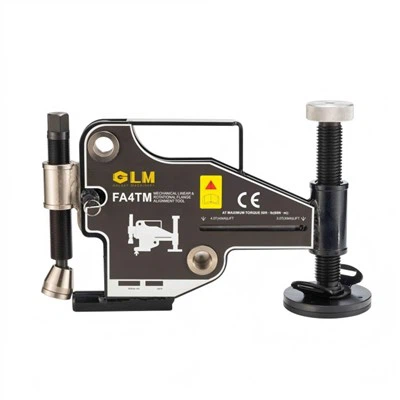
First, let’s get on the same page about what we’re talking about here. An air hydraulic pump (sometimes called a pneumatic hydraulic pump) works on a simple, elegant principle: compressed air drives a large-area piston, which transfers that force to a smaller-area hydraulic piston, creating hydraulic pressure. The beauty of this design is that you can adjust the air input to control the output pressure—so it’s not a one-size-fits-all pressure device. A lot of the confusion comes from people comparing it directly to electric hydraulic pumps, which are often marketed for either low or high pressure and have fixed performance ranges. Air hydraulic pumps, though, can be tuned, and that’s the key for low-pressure use.
Let’s start with the basics: what counts as a low-pressure application here? For the context of fluid power, low pressure is generally defined as anything below 1,000 PSI (pounds per square inch). Think of applications like clamping lightweight aluminum parts during CNC machining, operating air-powered conveyor gates, inflating large pneumatic bladders, or testing small hydraulic components for leaks. Historically, many of these jobs used electric diaphragm pumps or even manual hand pumps because people assumed air hydraulic pumps were too “powerful” to operate smoothly at lower pressures. But that’s a myth. Our engineering team has tweaked pump designs for years to deliver steady, consistent pressure as low as 50 PSI—perfect for the most delicate low-pressure tasks.
The biggest advantage of using an air hydraulic pump for low-pressure work isn’t just pressure flexibility, though. It’s the unique benefits of pneumatic power itself. Pneumatic systems are inherently safer in explosive environments—think chemical plants, grain silos, or offshore oil rigs where sparks from electric motors are a major hazard. A low-pressure electric pump could easily spark if it’s faulty, but air hydraulic pumps have no electric parts near the hydraulic fluid, so they’re intrinsically safe. One of our clients, a chemical equipment manufacturer, was struggling with a leak test application for small plastic chemical containers. They were using an electric diaphragm pump that would heat up during long test runs, sometimes overpressurizing and cracking the plastic containers. They switched to a compact air hydraulic pump we customized to deliver 200 PSI max, and they cut their leak test failure rate by 30% because the pressure was so consistent, and there was no heat buildup damaging the test specimens.
Another myth we hear all the time is that air hydraulic pumps are inefficient at low flow rates, which is critical for many low-pressure applications. A lot of low-pressure jobs don’t need a lot of fluid—like clamping a 1-foot wide part only needs a few ounces of hydraulic fluid to hold it steady. Early air hydraulic pump designs had a “dead zone” at low flow, meaning the pump would cycle on and off too frequently, causing pressure spikes. But modern pump designs use advanced valve systems and variable air regulators that adjust the piston speed to match the flow demand. For example, a woodworking client of ours needed to run a series of small hold-down clamps on a table saw assembly line. They were using electric clamps that required frequent maintenance on their motors, and they were expensive to replace. We recommended a small, single-acting air hydraulic pump set to 300 PSI, and it runs smoothly on compressed air from their existing line. The pump delivers just enough fluid to hold each clamp steady, cycles only when needed, and has cut their maintenance costs by 70% in two years. That’s the kind of real ROI that makes low-pressure air hydraulic pumps a no-brainer for many operations.
Of course, that’s not to say you can just take any air hydraulic pump and plug it in for low-pressure work. There are a few key considerations to make sure it works well for your application. First, you need to match the pump’s displacement and pressure ratio to your needs. Pressure ratio is the relationship between air input pressure and hydraulic output pressure—for example, a 10:1 ratio pump will deliver 100 PSI of hydraulic output if you supply 10 PSI of air input. If you need a very low output pressure, say 50 PSI, you can use a lower pressure ratio pump, or even a regulator on the air input to dial the pressure down to exactly what you need. Using too high of a pressure ratio for a low-demand job can lead to inefficiency because the piston will have to move smaller increments to deliver low pressure, but with modern design tweaks, that’s rarely a big issue anymore.
Another consideration is the air supply. Air hydraulic pumps need a steady, clean air supply to operate smoothly at low pressures. If your plant’s compressed air line has moisture or debris, that can clog the pump’s valves and cause inconsistent pressure. We always recommend adding a filter and regulator unit when installing an air hydraulic pump for low-pressure work—this is a low-cost add-on that prevents downtime. One recent client in the food and beverage industry had issues with a low-pressure applicator for food-safe lubricants on bottle capping machines. Their air line had some residual oil from other tools, which was getting into the hydraulic pump and causing pressure drops. After adding a filter and changing the pump to a food-grade compatible material, they fixed the issue and now use our pump for that application, with no problems for over 18 months.
Wait, but what about noise? That’s a common concern for people working in noise-sensitive environments, like offices or areas near assembly lines where employees need to communicate. Early air hydraulic pumps could be loud when operating at low pressures, but newer models use sound-dampening casings and variable speed controls that cut noise levels down to under 70 decibels—about the same as a normal conversation. Our industrial-grade pumps, for example, have a quiet operation mode specifically designed for low-pressure applications, which has made them popular for automotive trim shops and small parts assembly areas where noise is a big factor.
I want to be clear: air hydraulic pumps aren’t the best choice for every low-pressure application. If you only need pressure for a few seconds a day, and you don’t have a compressed air line already in place, a manual or electric diaphragm pump might be more cost-effective. But if you already have compressed air as part of your operation, or if you need consistent, reliable pressure over long runs, or if you’re working in a hazardous environment, an air hydraulic pump is absolutely worth considering. Let’s go back to that manufacturing plant example I mentioned earlier. Last year, we helped a large aerospace parts maker switch their low-pressure rivet setting application from manual hydraulic jacks to our air hydraulic pumps. The old system required two workers to manually pump jacks for each rivet, taking 15 minutes per panel. With our pumps, set to a steady 400 PSI, the rivet setting process takes 2 minutes per panel, and the pressure is so consistent that rivet alignment defects dropped by 25%. That’s the kind of productivity gain that makes even skeptics come around.
Another example comes from the marine industry, which is a big user of air hydraulic pumps for all kinds of applications. A boat repair yard in Florida was dealing with low-pressure bilge pump testing for new boat hulls. They were using electric pumps that would often fail when exposed to salt water, leading to costly reworks. We supplied them with corrosion-resistant air hydraulic pumps set to 150 PSI, and because the pumps have no electric components, they’re completely waterproof. They’ve been using them for three years now, with zero failures, and they’ve even started offering the testing service to other yards because of the reliability of our pumps.
So, to circle back to the original question: Can an air hydraulic pump be used for low-pressure applications? The answer is a resounding yes—when sized and configured correctly, they outperform many other pump types for a wide range of low-pressure tasks. But the key here is working with a supplier who understands both the technology and your specific application needs. A lot of generic pump suppliers will just push a one-size-fits-all pump, but as an air hydraulic pump supplier who works directly with clients to customize solutions, I can tell you that taking the time to match the pump’s design to your low-pressure requirements is what makes all the difference.

If you’re currently struggling with low-pressure tasks—whether it’s leak testing, clamping, fluid dispensing, or any other application that needs steady, reliable hydraulic pressure—and you’re tired of dealing with inconsistent performance, high maintenance, or safety concerns, we’d love to talk. We’ve helped hundreds of clients across industries tailor air hydraulic pumps to their low-pressure needs, and we can help you find a solution that fits your budget and your operations. There’s no reason to settle for a pump that doesn’t meet your needs, especially when air hydraulic pumps are such a versatile, reliable option.
Hydraulic Gear Puller References
- Fluid Power Society. (2021). “Pneumatic-Hydraulic Pump Performance Ranges for Industrial Applications.” Fluid Power Journal.
- Occupational Safety and Health Administration (OSHA). (2020). “Guidelines for Intrinsically Safe Fluid Power Equipment for Hazardous Work Environments.” U.S. Department of Labor.
- American Society of Mechanical Engineers (ASME). (2019). “Low-Pressure Fluid Power System Design Best Practices.” ASME B107.39M-2019.
- Industrial Pump & Equipment Association (IPEA). (2022). “Comparative Efficiency of Pneumatic vs. Electric Pumps for Low-Flow, Low-Pressure Applications.” IPEA Technical Report Series.
Taizhou Galaxy Machinery Co., Ltd.
Taizhou Galaxy Machinery Co., Ltd. is one of the leading air hydraulic pump manufacturers and suppliers in China. We warmly welcome you to wholesale cheap air hydraulic pump for sale here from our factory. Good service and reasonable price are available.
Address: 18 Jiulong Road, Jiulong Town, Hailing District, Taizhou City, Jiangsu Province,China
E-mail: sales03@galaxy-machinery.com
WebSite: https://www.galaxy-machinery.com/
