Hey everyone, quick question — when you’re swiping on that new eyeshadow, dabbing a tinted moisturizer, or lining your lips with your go-to liquid liner, do you ever stop and think about what’s actually making those colors pop? Spoiler: it’s pigments. And as someone who’s been in the dyes and pigments game for over a decade, I’m here to set the record straight: no, pigments aren’t just for art class or fabric dyeing — they’re the unsung heroes of your favorite cosmetics. Dyes & Pigments

Let’s cut to the chase. First off, what even is a pigment vs. a dye? Most people mix these up, and honestly, I get it. Dyes are water-soluble, right? They sink into materials like fabric or hair because they can bond with those surfaces at a molecular level. Pigments? They’re tiny, insoluble particles — think super tiny dust specks, usually 1 to 100 micrometers, so small you can barely see ’em. And here’s the big win for cosmetics: pigments don’t dissolve. They just sit on top of your skin (or hair, or whatever surface the makeup’s going on) and reflect light to show that bright, long-lasting color you love. No running, no fading after an hour at brunch — that’s pigments doing their thing.
Now, let’s talk science for a sec, but I’ll keep it real, not textbook boring. For a pigment to work in makeup, it has to pass a bunch of safety checks. We’re not messing around with random dirt here. Top cosmetic pigments are either organic (made from carbon-based compounds, often super saturated) or inorganic (mineral-based, like iron oxides or titanium dioxide) — both have their perks, and we supply both types here at our shop. Let’s break ’em down: inorganic pigments are the OG for skin-friendly stuff. Iron oxides, for example, give you that natural pink, brown, and black tones for blush, eyeshadow, or brow products. They’re gentle, non-irritating, and already used in stuff like sunblock, so you know they’re tested. Titanium dioxide and zinc oxide, those are the white ones — not only do they make your concealer opaque, but they also block UV rays. Win-win.
Organic pigments are where the fun bold colors come from. Think neons, vivid reds, that electric blue you can’t live without. They’re more pigment-dense than inorganic ones, so you get way more color payoff with less product. I’ve seen a lot of indie makeup brands get in trouble back in the day with unregulated organic pigments, though. That’s why at our dyes and pigments company, we only source organic pigments that are approved by places like the EU’s Cosmetics Regulation (that’s the big one for safety) and the U.S. FDA. No sketchy stuff — we test every batch for heavy metals, like lead or arsenic, because nobody wants a cosmetic that’s going to cause a rash, y’know?
Wait, but hold on — some people say “pigments are bad for your skin.” Let’s address that myth, because that’s what I get asked all the time. Here’s the truth: it’s not the pigment itself that’s the issue — it’s how it’s formulated. If a pigment particle is too big, it might clog your pores. If it’s not properly dispersed (meaning it’s not evenly mixed with the other makeup ingredients, like oils or waxes), you might get uneven color or irritation. That’s why we work directly with cosmetic brands to not just supply high-quality pigments, but also help them figure out how to blend those particles so they’re safe. We’ll even tweak particle sizes for them — like, if a brand wants a eyeshadow that’s both bold and blendable, we can adjust the pigment particles to be small enough to feel smooth on skin, but still big enough to show that punchy color.
Another thing I love about pigments is their versatility. You can use the same pigment for so many different cosmetic products. That red iron oxide? It goes in lipsticks, nail polishes, blush, even that tattoo ink stuff for semi-permanent makeup. Back in 2019, we had a client making a line of long-wear liquid lipsticks — they were using our organic red pigment, and it stayed on through coffee, pizza, even a rainy day out. No feathering, no fading, just that color for 8+ hours. Compare that to a lipstick with too much dye — that fades to a weird pink after an hour. Pigments hold their ground.
But let’s talk about the challenges too, because it’s not all sunshine and rainbows. Pigments need binders to stay put. If you’re making a loose eyeshadow, you need a binder that keeps the pigment particles together in a powder that doesn’t turn into dust the second you open the container. For foundations, pigments have to mix with water, silicone, or oil without separating — that’s called dispersion, and it’s where a lot of smaller brands struggle. That’s why we don’t just drop-ship a bucket of pigments and dip. We offer technical support — we’ll help brands test how their pigments interact with different bases, adjust pH levels, even suggest additives that make the color last longer. Last year, a small sustainable makeup brand came to us saying their blush kept separating from the cream base. We helped them fine-tune how they dispersed our pink organic pigment, and within two batches, their formula was perfect — no more separation, no more complaints from customers.
Oh, and let’s not forget about clean beauty. A lot of people are into clean cosmetics now, so brands are looking for pigments that are ethically sourced and non-toxic. We supply a line of “clean pigments” that are free from parabens, phthalates, and any synthetic dyes. The iron oxides we get are mined responsibly, and our organic pigments are made from plant-based materials, not harsh chemicals. That’s a big selling point for a lot of our clients, and honestly, it’s a big reason why I love working in this industry — we’re not just selling a product, we’re helping brands make makeup that people can feel good about wearing.
Wait, what about permanent makeup? That’s a whole other area where pigments are non-negotiable. Tattoo pigments (for facial micropigmentation, like eyebrows or lip blushing) have to be super long-lasting, safe for around the eyes and mouth, and resistant to fading. We’ve been supplying pigments to PMU artists for years, and I can tell you — the wrong pigment here can go really wrong. Some cheap pigments will fade to a weird blue or orange after a year, or cause allergic reactions. Our PMU pigments are tested for biocompatibility, meaning they don’t trigger an immune response. That’s the kind of reliability we stand for.
I get asked all the time, “Why not just use natural pigments from plants?” That’s a fair question, and plant-based pigments (like beetroot for red, turmeric for yellow) are popular in some clean lines, but they have their limits. They’re not as color-stable as synthetic or mineral pigments — they fade when exposed to sunlight, or break down when mixed with oils or other makeup ingredients. So you can get that natural tint, but it won’t last. For long-wear cosmetics, pigments are still the way to go. That’s not to say plant-based stuff is bad — it’s just a different product, for different needs.
Now, let’s circle back to the title of this blog: Can pigments be used in cosmetics? The short answer is a resounding YES — but only the right ones, sourced and formulated correctly. We’re talking millions of tons of pigments used in cosmetics every year, from drugstore foundations to high-end lipsticks to permanent makeup. It’s not a niche product; it’s the backbone of the entire cosmetic industry.
If you’re a cosmetic brand looking for a reliable pigments and dyes supplier, or a formulator who needs help troubleshooting a tricky color issue, hit me up. We don’t just sell raw materials — we partner with you to make your products stand out. We have flexible order sizes, so whether you’re a indie brand testing your first batch or a big corporation doing a million-unit run, we’ve got you covered. We also offer custom color matching — if you have a specific shade in mind, we can tweak our pigments to get it just right.
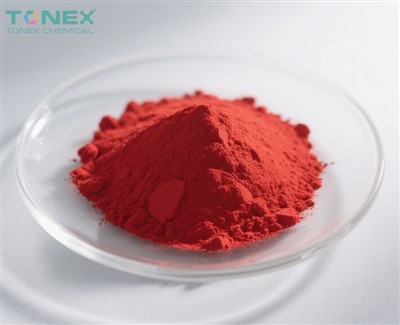
Don’t overcomplicate it. Pigments are safe, effective, and essential for the cosmetics we love. The next time you put on your favorite lipstick or eyeshadow, remember: that color’s not just a random shade — it’s a carefully crafted pigment particle doing its job. And if you’re in the market for pigments, you know where to find a team that’s been doing this for years, no sketchy stuff, just quality products and real support.
Additive Masterbatches References:
- Cos Ingredient Review Expert Panel. (2021). Safety assessment of iron oxides as used in cosmetics. International Journal of Toxicology.
- European Chemicals Agency. (2022). Annex VI of the CLP Regulation: Classification, labeling and packaging of substances and mixtures.
- U.S. Food and Drug Administration. (2020). Color Additives Approved for Use in Cosmetics.
- Smith, A. et al. (2019). Pigment dispersion in cosmetic emulsions: Effects on color stability and skin compatibility. Journal of Cosmetic Science.
Jinan Tonex Chemical Co., Ltd.
We’re well-known as one of the leading dyes & pigments manufacturers and suppliers in China. With abundant experience, we warmly welcome you to buy bulk high quality dyes & pigments for sale here from our factory. For price consultation, contact us.
Address: No.3699 Huayuan East Road, Jinan, Shandong, China
E-mail: yama@tonexchem.com
WebSite: https://www.tonexoba.com/
