Training operators for an induction quenching and tempering production line is a critical process that requires a comprehensive approach. As a supplier of induction quenching and tempering production lines, I understand the importance of ensuring that operators are well – trained to maximize the efficiency, safety, and quality of the production process. Induction Quenching and Tempering Production Line
Understanding the Basics of Induction Quenching and Tempering
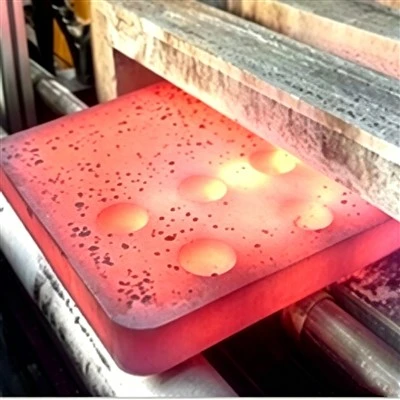
Before diving into the training process, it’s essential for operators to have a solid understanding of the basic principles behind induction quenching and tempering. Induction quenching is a heat treatment process that uses electromagnetic induction to heat the surface of a metal component rapidly. This is followed by a rapid cooling, usually through quenching in a liquid medium such as oil, water, or polymer. The rapid heating and cooling create a hard, wear – resistant surface layer while maintaining a relatively tough core.
Tempering, on the other hand, is a secondary heat treatment process that is performed after quenching. It involves reheating the quenched component to a specific temperature below the critical point and then cooling it at a controlled rate. Tempering helps to relieve internal stresses created during quenching, improve the ductility, and reduce the brittleness of the quenched part.
Theoretical Training
The first phase of training should focus on theoretical knowledge. This can be conducted through classroom – style sessions, online courses, or a combination of both.
Metal Properties and Material Selection
Operators need to learn about the properties of different metals and alloys that are commonly used in induction quenching and tempering. They should understand how the composition of the metal affects its response to heat treatment. For example, carbon content plays a significant role in determining the hardness and strength of the quenched part. A higher carbon content generally leads to higher hardness but also increased brittleness.
In addition, operators should be trained on how to select the appropriate material for a specific application based on the required mechanical properties such as hardness, toughness, and wear resistance.
Induction Heating Principles
A thorough understanding of induction heating principles is crucial for operators. They need to learn about electromagnetic fields, frequency selection, and how these factors affect the heating process. The frequency of the alternating current used in induction heating determines the depth of penetration of the heat into the metal. Higher frequencies result in shallower heating, which is suitable for surface hardening, while lower frequencies allow for deeper heating and are used for through – hardening.
Quenching and Tempering Parameters
Operators should be well – versed in the various quenching and tempering parameters, such as heating temperature, heating time, quenching medium, and tempering temperature and time. These parameters need to be carefully controlled to achieve the desired mechanical properties of the final product. For example, if the quenching temperature is too high, it can lead to excessive grain growth and reduced toughness. If the tempering temperature is too low, the residual stresses may not be effectively relieved, and the part may be prone to cracking.
Practical Training
After the theoretical training, practical training is essential to ensure that operators can apply their knowledge in a real – world production environment.
Equipment Familiarization
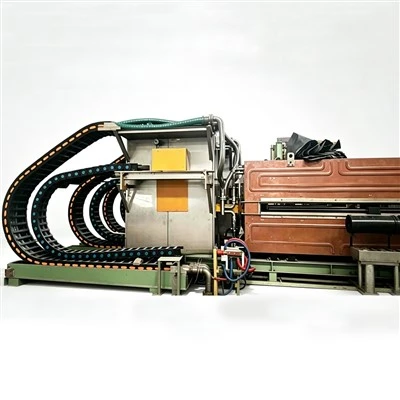
The first step in practical training is to familiarize operators with the various components of the induction quenching and tempering production line. This includes the induction heating equipment, quenching tanks, tempering furnaces, and automation systems. Operators should learn how to operate the equipment safely, including starting and stopping procedures, adjusting parameters, and performing basic maintenance tasks.
Setup and Programming
Operators need to be trained on how to set up the production line for different types of components. This involves programming the induction heating equipment to achieve the desired heating profile, loading the components onto the conveyor system, and setting the quenching and tempering parameters. They should also be able to troubleshoot common problems that may occur during the setup process, such as incorrect positioning of the components or issues with the heating coils.
Quality Control
Quality control is an integral part of the production process. Operators should be trained on how to perform quality checks on the quenched and tempered components. This includes using non – destructive testing methods such as ultrasonic testing and magnetic particle testing to detect surface and subsurface defects, as well as using hardness testing equipment to ensure that the components meet the required hardness specifications.
Safety Training
Safety should always be a top priority in any production environment. Operators need to receive comprehensive safety training, including wearing appropriate personal protective equipment (PPE) such as safety glasses, gloves, and heat – resistant clothing. They should also be trained on how to handle hazardous materials such as quenching fluids, and how to respond to emergencies such as fires or equipment malfunctions.
Continuous Training and Improvement
Training should not be a one – time event. Instead, it should be an ongoing process to keep operators updated on the latest technologies, best practices, and safety regulations.
Technology Updates
The field of induction quenching and tempering is constantly evolving, with new technologies and equipment being introduced regularly. Operators should receive training on these new technologies, such as advanced induction heating systems with better energy efficiency and more precise control capabilities.
Process Optimization
Regular training sessions can also be used to discuss process optimization. Operators can share their experiences and insights on the production line, and together with the technical team, identify areas for improvement. This could include reducing cycle times, improving product quality, or minimizing waste.
Employee Feedback
Encouraging employee feedback is an important part of continuous training. Operators who are working directly on the production line often have valuable suggestions for improving the process. By listening to their feedback and implementing their ideas, companies can create a more engaged and productive workforce.
Conclusion
Training the operators of an induction quenching and tempering production line is a complex but essential process. By providing a combination of theoretical and practical training, continuous learning opportunities, and a strong emphasis on safety and quality control, companies can ensure that their operators are well – equipped to handle the challenges of the production process.
Induction Heating Power Supply If you are interested in enhancing the performance of your induction quenching and tempering production line or need further training solutions for your operators, we are here to help. Our team has extensive experience in the field and can provide customized training programs to meet your specific needs. Contact us to discuss your requirements and explore how we can work together to achieve your production goals.
References
- "Heat Treater’s Guide: Practices and Procedures for Oven and Furnace Operations" by the American Society for Metals
- "Induction Heating Handbook" by Thomas A. Dickin
Hebei Yuantuo Electromechanical Equipment Manufacturing Co., Ltd.
As one of the most professional manufacturers and suppliers of induction quenching and tempering production line in China, our products have good reputation in the market. Please rest assured to buy advanced equipment made in China here and get quotation from our factory. Customized orders are welcome.
Address: Yanshan Street West and Jialingjiang Road North, Economic and Technological Development Zone, Wuqiao County, Cangzhou City, Hebei Province, China
E-mail: yuantuotech01@gmail.com
WebSite: https://www.yuantuoem.com/
