As a supplier in the evaporator industry, I often get asked about the capacity of an evaporator. It’s a crucial aspect that can significantly impact the efficiency and performance of various industrial processes. In this blog, I’ll delve into what the capacity of an evaporator means, the factors that influence it, and how understanding this can help you make better decisions when it comes to purchasing an evaporator. Evaporator
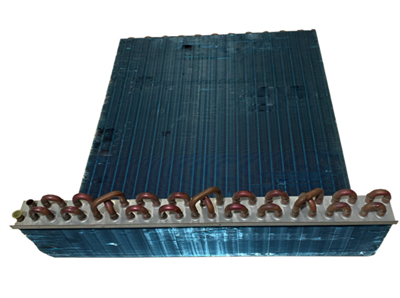
What is the Capacity of an Evaporator?
The capacity of an evaporator refers to the amount of liquid that it can evaporate within a given time frame, typically measured in kilograms per hour (kg/h) or pounds per hour (lb/h). This metric is a key indicator of an evaporator’s performance and is directly related to its ability to meet the specific requirements of a particular application.
For instance, in the dairy industry, an evaporator might be used to concentrate milk by removing water. The capacity of the evaporator would determine how much milk can be processed within a certain period. A higher – capacity evaporator can handle larger volumes of milk, increasing the overall productivity of the dairy plant.
Factors Influencing Evaporator Capacity
1. Heat Transfer Area
The heat transfer area is one of the most important factors affecting an evaporator’s capacity. Heat must be transferred from the heating medium (usually steam) to the liquid being evaporated. A larger heat transfer area allows for more efficient heat transfer, which in turn enables the evaporator to evaporate more liquid in a given time.
Evaporators with multiple tubes or plates have a larger heat transfer area compared to those with a single tube or plate. For example, a shell – and – tube evaporator has a series of tubes inside a shell. The larger the number of tubes and their surface area, the more heat can be transferred, and the higher the evaporator capacity.
2. Temperature Difference
The temperature difference between the heating medium and the liquid being evaporated also plays a significant role. A greater temperature difference provides a stronger driving force for heat transfer. When there is a large gap in temperature, heat flows more rapidly from the heating source to the liquid, accelerating the evaporation process.
However, there are limitations to how large the temperature difference can be. High temperature differences can cause fouling on the heat transfer surfaces, which reduces the efficiency of heat transfer over time. Additionally, some liquids may be sensitive to high temperatures, and excessive heating can cause degradation or other quality issues.
3. Type of Liquid
The physical properties of the liquid being evaporated have a profound impact on the evaporator capacity. Different liquids have different boiling points, viscosities, and specific heat capacities.
Liquids with lower boiling points are easier to evaporate, and an evaporator can handle a larger volume of such liquids in a given time. For example, alcohol has a lower boiling point than water, so an evaporator can evaporate alcohol more quickly. Viscous liquids, on the other hand, can impede heat transfer. They flow more slowly over the heat transfer surfaces, reducing the efficiency of evaporation and thus lowering the evaporator capacity.
4. Evaporator Design
The design of the evaporator itself is a critical factor. There are different types of evaporators, such as falling – film evaporators, rising – film evaporators, and forced – circulation evaporators, each with its own characteristics and capacity limitations.
Falling – film evaporators are known for their high efficiency and are suitable for heat – sensitive liquids. The liquid forms a thin film as it flows down the tubes, allowing for rapid heat transfer and evaporation. Rising – film evaporators work on a similar principle but with the liquid rising up the tubes. Forced – circulation evaporators use a pump to circulate the liquid, which can be beneficial for handling viscous liquids or liquids with a high solids content.
5. Operating Pressure
The operating pressure in the evaporator affects the boiling point of the liquid. Lowering the pressure reduces the boiling point of the liquid, which means that less energy is required to evaporate it. This can increase the evaporator capacity as more liquid can be evaporated with the same amount of heat input.
However, operating at very low pressures requires additional equipment, such as vacuum pumps, to maintain the low – pressure environment. There are also practical limitations to how low the pressure can be set, as extremely low pressures can lead to issues such as cavitation in pumps and increased risk of air leakage into the system.
Measuring and Calculating Evaporator Capacity
To accurately measure the capacity of an evaporator, several methods can be used. One common approach is to measure the mass of the liquid before and after evaporation over a specific period. The difference in mass divided by the time gives the evaporation rate, which is the capacity of the evaporator.
In some cases, calculations based on heat transfer principles can also be used. The heat transfer rate (Q) can be calculated using the formula Q = U × A × ΔT, where U is the overall heat transfer coefficient, A is the heat transfer area, and ΔT is the temperature difference. Once the heat transfer rate is known, the amount of liquid that can be evaporated can be determined based on the latent heat of vaporization of the liquid.
Importance of Understanding Evaporator Capacity
Understanding the capacity of an evaporator is crucial for several reasons. Firstly, it helps in selecting the right evaporator for a specific application. If the capacity of the evaporator is too low, it will not be able to meet the production requirements, leading to inefficiencies and potential bottlenecks in the process. On the other hand, if the capacity is too high, it may result in unnecessary capital expenditure and higher operating costs.
Secondly, knowledge of the evaporator capacity allows for proper process planning and optimization. By understanding how the capacity is affected by different factors, operators can adjust the operating conditions to maximize the efficiency of the evaporator. For example, they can optimize the temperature difference, adjust the flow rate of the liquid, or maintain the appropriate operating pressure.
Selecting the Right Evaporator Capacity for Your Needs
When choosing an evaporator, it’s essential to consider your specific requirements. Start by determining the volume of liquid that needs to be evaporated per hour. This can be based on your production targets and the nature of your process.
Next, take into account the physical properties of the liquid, such as its boiling point, viscosity, and solids content. These properties will influence the type of evaporator that is most suitable and its capacity requirements.
It’s also important to consider future growth and expansion. If you anticipate an increase in production in the future, it may be wise to choose an evaporator with a slightly higher capacity than your current needs to avoid the need for a costly replacement in the near future.
Conclusion
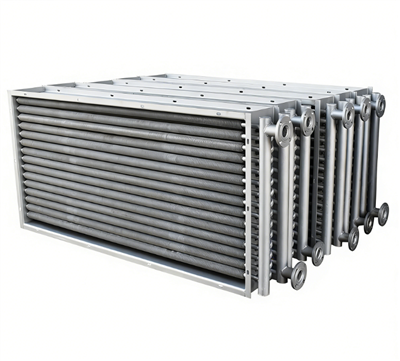
The capacity of an evaporator is a complex yet crucial concept that can have a significant impact on the efficiency and productivity of industrial processes. By understanding the factors that influence evaporator capacity, how to measure it, and the importance of selecting the right capacity for your needs, you can make more informed decisions when it comes to purchasing an evaporator.
Evaporator If you’re in the market for an evaporator and need assistance in determining the right capacity for your application, I’m here to help. Our team of experts can provide you with detailed advice and guidance based on your specific requirements. Don’t hesitate to reach out to us for a consultation and let’s discuss how we can meet your evaporator needs.
References
- Coulson, J. M., & Richardson, J. F. (1999). Chemical Engineering Volume 1: Fluid Flow, Heat Transfer and Mass Transfer. Butterworth – Heinemann.
- Green, D. W., & Perry, R. H. (2008). Perry’s Chemical Engineers’ Handbook. McGraw – Hill.
- Geankoplis, C. J. (1993). Transport Processes and Unit Operations. Prentice – Hall.
Xiangshui Derkang Refrigeration Equipment Co., Ltd.
As one of the most professional evaporator manufacturers in China, we’re featured by quality products and low price. If you’re going to buy discount evaporator, welcome to get quotation from our factory. We also accept customized orders.
Address: No. 2, Xiaojian Town Entrepreneurship Park, Xiangshui County
E-mail: 505745223@qq.com
WebSite: https://www.xsderk.com/
