If you’ve ever stared at a barbecue grill rack at a backyard cookout, wondering why some feel solid and hold up year after year, while others rust and warp after just a couple seasons—chances are the difference comes down to stainless steel grade. As a stainless steel supplier, I get asked this all the time by grill makers, backyard cooks, and even folks building custom grills: what’s actually the right stainless steel for barbecues? It’s not a one-size-fits-all answer, but once you break down what a grill has to deal with every time you fire it up, the choice makes total sense. Stainless Steel
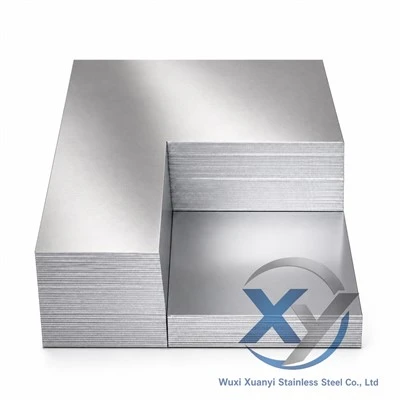
First, let’s stop confusing “stainless” with “unbreakable.” Stainless steel is just a group of iron-based alloys that have chromium added—usually 10.5% or more—so when exposed to oxygen, it forms that thin, invisible chromium oxide layer that stops rust from seeping in. But not all chromium mixes are built for the mess grills throw at them. Let’s walk through the main grades people use, and which ones actually work for grills, and which you should skip.
The first one, and the most common for budget grills, is 409 stainless. I see this used everywhere: entry-level gas grills, cheap charcoal racks, even the cheap side tables that come with some combo units. Why? It’s cheap—way cheaper than higher grades—and it works okay… until it doesn’t. 409 has about 11% chromium, plus a little titanium to stop it from warping at high heat. But here’s the catch: that chromium oxide layer? It only holds up if it doesn’t get exposed to salt, food acid, or constant high heat for too long. If you live near the coast, where salt air hangs heavy, or you use your grill multiple times a week (not just once a summer), 409 will start to show its flaws. I’ve seen 409 grill hoods turn orange with rust after 18 months, and racks that warp so bad they can’t hold burgers evenly. It’s fine for a occasional grill that you cover when not in use, but if you want something that’ll last, 409 is the skip.
Next up, the sweet spot most mid-range to custom grill makers go for: 304 stainless steel. This is the grade I push for 90% of grill projects, and for good reason. 304 has 18% chromium and 8% nickel—those two are the magic combo. The extra chromium makes the corrosion layer way tougher, and the nickel adds strength so it doesn’t warp at those grill temps (which can hit 500°F, 600°F, even 700°F for searing). What makes it perfect for grills specifically? It doesn’t react with food, so you won’t get that metallic tinge on your steaks or veggies, and it stands up to the gunk: grease splatter, marinade acid, even salt from a summer beach cookout. I have a couple of regular grill builders who swear by 304 for their main racks and hoods. One guy told me he installed a 304 rack 7 years ago at his family’s annual Fourth of July cookout, and it still looks almost new—no rust, no warping, just a little patina from use. That patina is actually a good thing, by the way; it’s just the chromium oxide layer working, not damage.
Wait, but what about 316 stainless? I get asked about this a lot too, like it’s the “super stainless” for grills. And it is, but it’s overkill for most home grills. 316 adds molybdenum to the mix, which makes it way more resistant to salt and extreme chemicals. That’s the grade you want for commercial kitchens, boat grills (those that get dunked in salt water sometimes), or if you live in a super humid, coastal area where salt air eats through 304 in a couple years. It’s way more expensive—like 30-40% more than 304—so unless you’re dealing with those harsh conditions, you’re wasting money on 316 for a residential grill. I’ve only ever sold 316 for commercial projects or custom coastal grills, and even then, most customers talk themselves into 304 first and upgrade only if they have salt issues.
Now, let’s talk about the parts of the grill, because not every piece needs the same grade. A lot of people think the whole grill has to be the same, but that’s not true. The burners? That’s a tough spot. Burners get hit with constant heat, grease, and sometimes condensation from cold weather. Cheap burners might be 409 and they’ll rust out in 2-3 years. A good mid-range burner is usually 304, which will last 5-10 years. The grates? This is the main part that touches food, so you want something food-safe, which all the good grades are, but also something that doesn’t warp. Cast iron with a stainless coating is popular, but solid 304 grates are better if you want to avoid having to re-season cast iron every few months. The hood (the top part that covers the grill when you’re slow-smoking)? It’s exposed to heat and grease splatter, so 304 works here, too—just avoid thinner gauge 304; it can warp if it’s too thin. The shelves on the side? If they’re always covered and not exposed to full heat, 409 is fine, but if they’re out in the open 24/7, spring for 304 to keep them from rusting.
I’ve seen a lot of mistakes from grill makers (and even DIYers) cutting corners on grade to save a buck. Last year, a guy came to me with a custom grill he built for his backyard, using 409 for everything. Within a year, the side shelf was rusted so bad it fell off, and the grates warped so his hot dogs would roll off the edges. He ended up redoing the whole thing with 304, and said it cost a little more upfront, but he doesn’t have to worry about replacing anything anytime soon. That’s the thing with stainless for grills: upfront cost vs. long-term. A $200 409 grill might last 2 years, while a $500 304 grill will last 10+ years. For most people, that’s a no-brainer.
Wait, what about “stainless steel coated” parts? A lot of cheap grills advertise “stainless steel” but it’s just a thin coating over a base metal, usually steel. That coating scratches off after a few uses, and then the rust starts under it. Don’t fall for that. Ask your grill maker what grade of stainless they’re using for the main parts—real 304 will have a little stamp on it sometimes, but even if not, a supplier like me can tell the difference when you order. If a part is flimsy and has a weird plastic-like sheen, it’s coated, not solid.
Another thing to consider: cleaning. Some people think stainless is hard to clean, but it’s way easier than cast iron. 304 doesn’t hold grease as much as other metals, so a quick wipe with warm soapy water after each use works. The patina that forms over time? It’s not rust, so you don’t have to scrub it off. If you want to keep it shiny, just use a stainless steel cleaner every few months, but it’s not necessary. 409, though, if you let grease sit on it for too long, the rust will set in and won’t come off, so you have to clean it more often.
Let’s wrap this up for the home cook or grill maker. If you’re buying a standard residential grill: skip 409, go for solid 304. It’s the best balance of cost, durability, and performance. If you live in a coastal area or have a commercial grill that gets heavy use: upgrade to 316, but don’t pay for it if you don’t need the extra corrosion resistance. And for parts: match the grade to how much they’re exposed to heat and elements—grates and hood need 304, side shelves can be 409 if you’re on a tight budget and cover them.

If you’re building a grill, replacing parts, or looking for stainless steel materials for your project, I work with grill makers, custom builders, and even backyard cooks who want reliable, long-lasting parts. We don’t sell cheap coated junk, and we can help you pick the right grade for your specific needs—whether that’s 304 for a residential grill, 316 for a coastal setup, or even 409 for a backup part. No fluff, no upselling, just good stainless steel that does what it’s supposed to do, season after season. If you want to chat through your project or grab a quote, just reach out—we can walk you through what works best for you.
Stainless Steel Bar References:
- ASM International. Stainless Steels: Properties and Selection. ASM International, 2007.
- European Stainless Steel Development Association. “Stainless Steel for Outdoor Applications.” ECSDA Technical Brief, 2019.
- Grill Manufacturer Association. “Grill Materials and Durability Guidelines.” GMA Annual Report, 2022.
- International Stainless Steel Forum. “Corrosion Resistance of Stainless Steel.” ISSF Fact Sheet, 2021.
Wuxi Xuanyi Stainless Steel Co., Ltd.
Wuxi Xuanyi Stainless Steel Co., Ltd. is one of the most professional stainless steel manufacturers and suppliers in China. With abundant experience, we warmly welcome you to wholesale bulk durable stainless steel made in China here from our factory. If you have any enquiry about cooperation, please feel free to email us.
Address: 1207-1208, Building 11, Shengang Metropolis Plaza, No. 299 Fangcheng Avenue, Xinwu District, Wuxi City,China.
E-mail: jscherryxy@163.com
WebSite: https://www.xuanyisteel.com/
