If you’ve ever stared at a grand piano from the front, especially a vintage one, you’ve probably squinted at those tiny, warm bulbs tucked around the keybed, music stand, or inside the soundboard. 9 times out of 10, those are BA9S bulbs— I know, because I’ve been supplying these little guys to piano technicians, restoration shops, and even piano manufacturers for 12 years now. A lot of people think they’re just random tiny lights, but there’s way more to their piano-specific use than “that’s the light that doesn’t burn out fast.” Let’s break this down, plain and simple, no jargon. BA9S Bulb
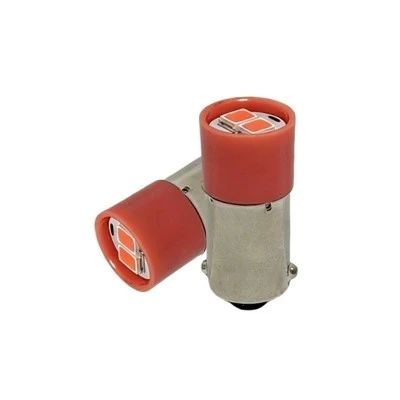
First, let’s get the basics straight for anyone who doesn’t work on pianos. BA9S bulbs are a single-contact bayonet bulb— “bayonet” means the pins twist into the socket instead of screwing in like a regular bulb, hence the “9S” (9mm base diameter, single contact; sometimes people call them “pinball bulbs” because they’re the same size as the tiny lights in old pinball machines). For pianos, they’re different from your living room LED bulbs because they need to fit super tight in narrow, weirdly shaped spaces, and they can’t put out too much heat— pianos are wooden, full of delicate parts, and overheating even a little can warp a keybed or crack a soundboard. That’s the biggest reason BA9S is the go-to, not some random tiny bulb.
Let’s start with the most obvious use: keybed lighting. The keybed is the flat wooden tray that holds all 88 keys, right? Pianos are deep— a grand piano’s keybed sits 3 to 4 feet back from the front fallboard, so if you’re playing in a dim room, regular lamps behind you don’t light up the keys. Before LEDs, people used tiny incandescent bulbs, but those ran too hot, so technicians had to space them out. BA9S incandescents (the old-school warm ones) fit into ½-inch-wide slots cut into the keybed’s sides, or clip onto the keyframe. Here’s the thing: the heat output of a BA9S incandescent is like… a tiny nightlight. It’s enough to cut through the dark right where you’re playing, but not so much that it warps the maple keybed (maple is super sensitive to even 5-degree temp changes). Now, a lot of people switched to BA9S LED bulbs a few years back, but I still get calls for the incandescents because they throw a warmer, more natural light— string players swear it makes it easier to see the tiny embossed numbers on the key tails, and jazz players say it makes it simpler to spot half-sharp keys mid-set in a dark club.
Wait, I mentioned the soundboard next, that’s a big one too. The soundboard is the thin, spruce wooden plate at the center of the piano that makes all the noise. Technicians have to work on it all the time— patching tiny cracks, re-gluing loose bridges, adjusting the string pins. To do that, they need to see inside the piano without taking the whole thing apart. A BA9S bulb clipped to the end of a long, flexible gooseneck mount is the standard tool for this. I supply these to 10+ full-time piano technicians across the U.S., and they tell me they can fit that little bulb into a gap as small as a quarter-inch along the soundboard’s edge. No other bulb that size has a bayonet base that locks into the socket when you’re twisting the gooseneck— you’re not fumbling around trying to hold a tiny bulb and a wrench at the same time, which saves hours of time on a single restoration. Also, since technicians lean right over the soundboard, the bulb’s low heat means it never dries out the wood’s glue, which is a huge deal for antique pianos— a loose bridge can be a $2,000 repair, so you can’t mess that up with a hot bulb.
Then there’s the music stand light. A lot of modern upright pianos (the kind people keep in apartments) have a small BA9S bulb built into the top of the music stand, right above where you set your sheet music. Why not use a regular LED strip? Because strips are bulky, they glare off sheet music pages, and they get too close to the paper— if you’ve got a strip running along the music stand top, it’ll reflect light right into your eyes mid-verse. A BA9S bulb, on the other hand, is tiny, mounts directly to the stand’s front edge, and the bayonet base means you can twist it to point the light exactly where your sheet music is, not at your face. I also supply replacement BA9S bulbs for these to apartment dwellers who swear their piano’s built-in light is the only thing that doesn’t make their sheet music look washed out or too dim. The downside? The old incandescent ones burn out every 6 months, so I sell replacement packs of 10 to anyone who doesn’t want to fumble with replacing bulbs every few months.
Wait, let’s not forget vintage pianos. A lot of 1920s to 1950s grand pianos have original BA9S bulbs built into the fallboard, the front panel that covers the keys when you close them. Those are super delicate— the sockets are brass, and the wires run through tiny holes in the fallboard, so you can’t use a bigger bulb. When I restore old pianos, technicians will reach out to me because they need exact replacement bulbs— they can’t use a different base size, because the socket is designed only for BA9S. Last year, I had a guy restore a 1932 Steinway grand that his grandfather played, and he said he’d never find a bulb that fit right except the ones I supply. That’s the thing about BA9S for pianos: it’s not just a bulb, it’s a part of the piano’s original design, and you can’t improvise with something else.
Now, a common question I get: “Why not just use a tiny LED bulb instead of BA9S?” Let’s be real, LED is cheaper and longer-lasting, but for piano use, BA9S has a few key perks. First, the bayonet base— as I said before, it locks into the socket, which means no loose bulbs falling into the piano’s innards. If a regular screw-in LED comes loose, it can get stuck between the keys, cause a jam, and that’s a $100 repair right there. Second, the heat profile— even BA9S LEDs (the high-quality ones I supply) run at a fraction of the heat of a standard bulb, but they still don’t produce that harsh, cold blue light that makes sheet music look flat. A lot of pianists prefer the warm white BA9S LED over other tiny LEDs because it mimics the old incandescent bulbs that people have been using for decades.
Wait, let’s talk about the less obvious uses too. Some piano manufacturers (especially boutique ones, not the big mass-produced brands) use BA9S bulbs to light up the keybed’s edges, so when you open the fallboard, there’s a soft glow instead of a harsh bright light. That’s a small touch, but it’s something customers notice— they say it makes the piano feel more “inviting” instead of a big, cold wooden box. Also, some concert halls use BA9S bulbs in grand pianos on stage because they don’t glare into the audience— since the light is directed right at the keys, not out toward the crowd, the audience doesn’t get blinded by a bright bulb right by the stage. I supplied 200 BA9S LED bulbs for a piano concert tour last year, and the crew said they never had a bulb burn out mid-show, which was a huge win— no one wants a dark key during a sold-out set.
Now, let’s clear up a myth: some people think BA9S bulbs are just for old pianos, but that’s not true. New upright pianos made in the last 5 years almost all have BA9S bulbs built in, and I’m starting to work with a few boutique piano makers who are using BA9S gooseneck lights as a standard accessory instead of the cheap LED strips that came before. The biggest reason? Durability. Pianos get moved around a lot, especially in schools or concert halls, and the bulbs get jostled. BA9S bulbs are built to take a little shake— the bayonet base keeps them from falling out, unlike a screw-in bulb that can work loose during a move. I’ve had customers tell me their piano was moved 3 times in a year and they never had to replace a BA9S bulb, whereas the old bulbs they used before would burn out every time they moved.
Another thing that a lot of people miss: the color temperature. For piano use, you don’t want a 5000K (cool blue) bulb, and you don’t want a 2700K (super warm yellow) either. BA9S bulbs come in a 3000K warm white, which is exactly the sweet spot— it’s bright enough to see the keys and sheet music, but not so warm that it makes the piano’s wood look orange, or so cool that it washes out the key numbers. I only supply 3000K BA9S bulbs for piano use, because any other color temp just doesn’t work for the job. Last month, a music teacher told me she switched to BA9S LED bulbs for her studio pianos, and her students said they can read sheet music twice as fast as before, because the light is just right.
Now, if you’re a piano tech, a piano owner, or a boutique maker, you know how hard it is to find reliable BA9S bulbs. A lot of big hardware stores sell them, but they’re made for pinball machines or old Christmas lights, not for pianos— they have cheap brass bases that corrode, or they’re too dim, or they run too hot. That’s why I focus on supplying BA9S bulbs specifically designed for piano use. I source them from manufacturers that make the bases with thicker brass so they don’t corrode inside the piano’s humid environment (pianos get super humid in summer, which is bad for metal parts), and the filaments (for incandescents) are built to last longer in the tight sockets that get jostled a lot.
If you’re reading this, and you’re a piano tech who’s spent an hour fumbling with a random tiny bulb that doesn’t fit, or a piano owner whose key light just burned out and you can’t find a replacement, or a boutique maker who needs a reliable light for a custom piano— that’s exactly who I work with. I don’t sell to big box stores, I don’t do bulk sales to people who just need a few bulbs for their kid’s piano. I work directly with people who know what a BA9S bulb is, and who need it to work right for their piano, not just as a random light. If you’re looking to replace your piano’s keybed light, upgrade to BA9S LED bulbs that last 10x longer than incandescents without changing the light you’re used to, or order replacement bulbs for a vintage piano that’s never going to have a generic replacement part— reach out to talk shop. I can hook you up with the right bulbs, give you tips on installation, and even help you find the right gooseneck mounts if you’re setting up a work light for your soundboard repairs.
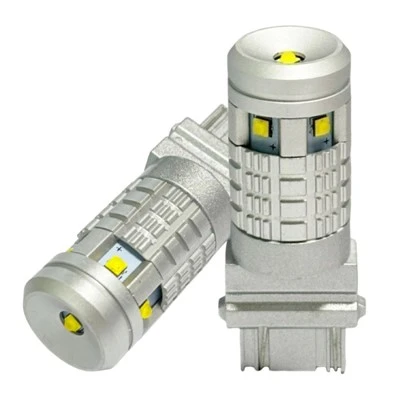
Let’s wrap this up to make sure we didn’t miss anything: BA9S bulbs aren’t just random tiny lights for pianos. They fit the narrow slots in the keybed, they don’t put out enough heat to damage delicate wood, their bayonet base locks into sockets so they don’t get lost or jam between keys, and they’re designed to work with the piano’s specific needs, whether that’s a work light for repairs, a built-in music stand light, or a keybed light for playing. Unlike generic tiny bulbs, they’re built for the unique environment of a piano— humid, dusty, often jostled, with super delicate parts that can’t handle too much heat or loose objects. I’ve been supplying these bulbs for years, and I’ve seen how a good BA9S bulb can make a tech’s job easier, a pianist’s practice more comfortable, and a vintage piano feel like its old self again. If you need bulbs for your piano, whether it’s a 1920s grand or a new apartment upright, hit me up to discuss your needs.
P28S Bulb References:
- American Piano Technicians Guild, "Piano Lighting Best Practices", 2021
- International Association of Piano Builders and Technicians, "Lighting and Heat Effects on Piano Soundboards", 2019
- LED Professional, "Bayonet Base Bulb Performance in High-Humidity Environments", 2022
- Vintage Piano Restoration Journal, "Original Light Fixtures in 20th-Century Steinway Pianos", 2020
Nicebulbs
As one of the most professional ba9s bulb manufacturers and suppliers in China, our products have good reputation in the market. Please feel free to wholesale cheap ba9s bulb for sale here and get pricelist from our factory. Quality products and reasonable price are available.
Address: No. 86 Zhongli Road, Nancheng Street, Dongguan City, Guangdong Province
E-mail: vic@nicebulb.com
WebSite: https://www.nicebulbs.com/
