Hey there, if you’ve been in the manufacturing, metal finishing, or even DIY prototyping space for a hot second, you’ve probably wondered: can dry tumbling media actually work for polishing? Let’s cut through the noise here— as a dry tumbling media supplier, I’m not gonna sit here and say it’s a one-size-fits-all solution, but it’s way more versatile than a lot of people give it credit for. I’ve fielded this question so many times from clients who used to swear wet tumbling was the only way, and half the time, they’re shocked when I walk them through when dry media makes total sense for polishing. Dry Tumbling Media
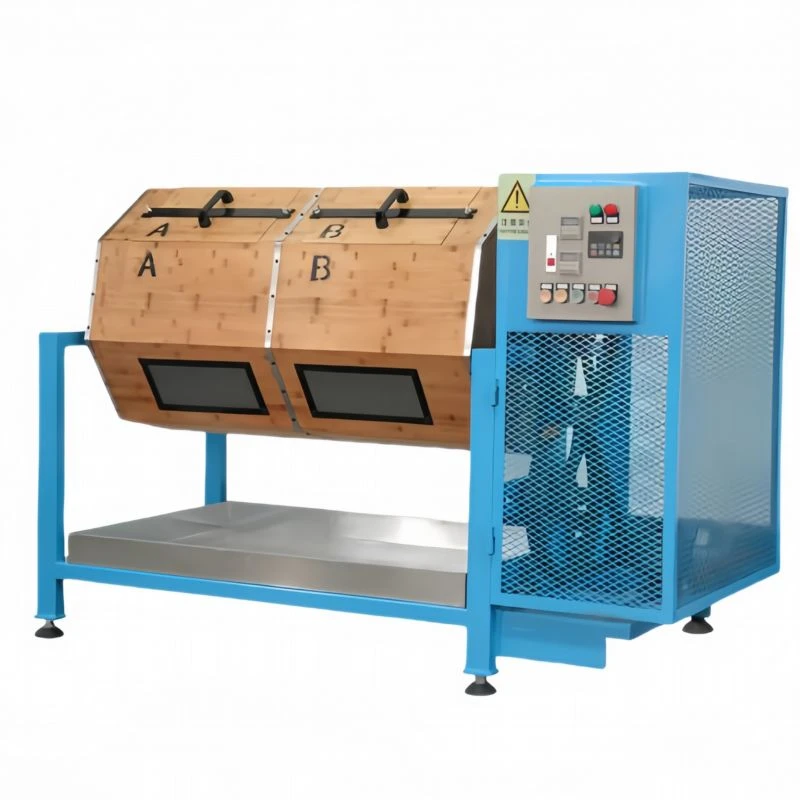
First, let’s get the basics straight for anyone who’s new. Tumbling (whether wet or dry) is that process where you load parts, media, and usually a little something extra into a rotary barrel, turn it, and the friction between the media and parts smooths edges, removes burrs, or preps a surface for coating. Wet tumbling uses water (or a mix of water and compounds) to reduce dust, lubricate, and carry away residue. Dry tumbling uses no liquid—just the media itself and sometimes a tiny, specific dry compound, which is where a lot of confusion comes in because people assume “dry = can’t polish.”
Wait, let’s define polishing here too, because that term gets thrown around loosely. Polishing isn’t just making a part shiny for Instagram—it’s two main things: deburring (the micro-sharp, leftover bits from machining, stamping, or 3D printing) and surface finishing (smoothing out tiny scratches or roughness to meet specs). Wet media works great for heavy burrs, but it’s messy—you have to dry parts afterward, which adds time and cost. For smaller parts, or parts that can’t get wet (like electronics components, certain plastics, or oil-based machined parts), dry media is a game-changer.
Here’s the thing: modern dry tumbling media isn’t the same stuff your grandpa used back in the day. Back in the day, dry media was just rough, angular crushed stone, good for basic deburring but terrible for finishing. Now, we’ve got so many formulations: ceramic media with different grits, plastic media that’s flexible and gentle, even polymer-based media for delicate parts. The key to polishing with dry media isn’t just the media itself—it’s matching the right media type, grit, and even tumbling time to your part.
Let’s break down when it actually works, because that’s the part most people miss. For example, if you’re dealing with 3D printed small metal parts (like those tiny connectors for drones or phone components), wet tumbling can trap water in the tiny crevices of the prints, which causes corrosion before you even get to finishing. Dry ceramic media, specifically the medium-grit closed-cell kind we supply, works to smooth those layer lines without trapping moisture. I had a client last quarter who made custom dental aligner components—they were using wet media and losing 10% of parts to water damage. Switched to our low-density plastic dry media, cut that loss to 1% and cut their process time by 2 hours a batch. That’s a win.
Then there’s pre-polishing for coating. A lot of people think polishing needs to be mirror-smooth, but if you’re just prepping a surface for paint or powder coating, dry media can get you to that “uniform, no rough edges” stage that keeps coating from flaking. Wet media might leave water spots if you don’t dry it perfectly, but dry media avoids that entirely. I worked with a motorcycle parts maker who used to wet-tumble their handlebar brackets before powder coating—they’d get inconsistent coating adhesion because of leftover residue from the tumbling compound. Switched to our dry media with a mild dry lubricant (no water), and their adhesion rate went up 18%. No mess, no drying step, and the polished finish was more uniform.
But let’s be honest—dry tumbling media isn’t great for heavy-duty polishing. If you’ve got a part with a big, thick burr from stamping or a cast part with major surface roughness, dry media will take way too long, or you’ll end up wearing out your parts way before they’re smooth. That’s where wet tumbling still shines. And for mirror polishing (like the kind you see on high-end jewelry or aerospace components), dry media alone might not get you that ultra-smooth finish—you’ll need to follow up with a finer grit dry media or a different process. But for 80% of the polishing jobs I see clients struggle with (small parts, no water tolerance, speed is key), dry media holds its own.
Wait, also, let’s talk about myths that hold people back. A lot of folks think dry tumbling is just for deburring, not polishing. No—our fine-grit ceramic media, when used with a controlled tumbling time (usually 1-4 hours, depending on parts), will create a smooth, consistent surface. Another myth: dry media is dusty. Back in the day, yeah, it was, but modern dry media formulations include anti-static dry compounds that cut dust way down. We supply media that’s tested to keep dust levels 70% lower than old-style dry media, so it’s not a health hazard or a mess in your shop.
I’ve also seen people test dry media and give up too fast. They put parts in with coarse angular media, expect a mirror finish in 30 minutes, and get frustrated. It’s all about matching the media to the job. For polishing, you want media that’s rounder, not sharp—rounded media creates even friction, so you don’t get uneven smoothing or scratches. That’s a big reason clients come to us instead of grabbing random media from a hardware store: we customize formulations based on their part material, size, and desired finish.
Let me give you a real example from a client in the audio equipment space. They make tiny metal speaker grilles, and they needed to smooth the sharp edges from the laser-cutting process and polish the surface so the grilles wouldn’t scratch the inside of phone cases. They tried wet media, but the water made the metal tarnish after a week. They tried sanding by hand, which was expensive and inconsistent. We recommended our round, fine plastic dry media (low density, so it doesn’t scratch the thin grille metal) paired with a tiny amount of dry polishing compound (no water). They ran the batch for 2.5 hours, and the result? Smooth edges, a uniform semi-polished finish, no tarnish, and their defect rate dropped from 15% to 2%. They now use dry media for all their grilles, and they’ve even switched some other small parts over from wet because of the cost savings.
Now, let’s talk about the practical side of using dry tumbling media for polishing. What do you need to make it work? First, make sure your parts are clean before tumbling—any oil or debris will get trapped between media and parts, and you’ll end up with spots instead of a polish. Second, don’t overfill your barrel—usually, you want parts taking up about 50% of the barrel, media taking up another 30%, so there’s enough room for the parts and media to move. Third, test a small batch first. That’s the mistake a lot of new clients make: they order a huge amount of media, load up the whole barrel, and it doesn’t turn out how they want. Test with 10-20 parts, adjust the time, maybe tweak the media grit, and then scale up.
As a supplier, we work with clients through that testing step. A lot of vendors will just sell you media and leave you to figure it out, but we help with that. For example, if you have a batch of 3D printed aluminum parts, we can tell you whether our medium-grit ceramic media or low-density plastic media will work best, how long to run the tumble, and even which dry compounds to add (if any) to boost the polish. That support makes a huge difference because it takes the guesswork out of it.
Wait, another edge case: parts with holes or internal cavities. Wet tumbling can leave water in those cavities, which leads to rust or mold. Dry media won’t get stuck there (as long as the media size is smaller than the cavity, but not too small that it gets trapped inside). We have clients who make small metal fasteners with internal threading—dry media polishes the exterior and smooths the threading edges, no water stuck in the threads, so they don’t have to dry or blow out the threads, saving them a whole step.
Of course, it’s not for everyone. If your parts are large, heavy, and need a deep polish, wet media is still better. If you’re going for a mirror finish that’s indistinguishable from a polished metal sheet, dry media might need a follow-up step. But for most industrial and small-batch jobs that are time-sensitive, have moisture restrictions, or need a consistent, smooth finish that’s also cost-effective, dry tumbling media is absolutely a valid option for polishing.
I get why people are skeptical—wet tumbling has been around for decades, it’s what everyone knows. But the tech for dry media has come a long way. We’ve spent years testing different formulations, working with clients across industries, and we’ve seen time and again that dry media can hold its own when it comes to polishing, as long as you use the right type for your job.
If you’ve been messing around with wet tumbling and dealing with mess, drying time, or part damage, it’s worth giving dry media a shot. Don’t just grab whatever’s cheap—reach out, tell me what parts you’re working with, what finish you need, and we can help you figure out if dry media is the right fit, or if wet is still better. Either way, we’re here to make your finishing process easier.
Whether you’re a small shop with a few tumblers or a big manufacturer looking to cut costs, dry tumbling media for polishing is a tool that’s not as well-known as it should be, but it’s super effective when used right. No, it’s not going to replace wet tumbling for every job, but it’s a great option for a lot of the pain points we all deal with in finishing parts. If you want to chat through your specific needs, we’re here to help with custom recommendations and testing batches. Don’t hesitate to connect.
Magnetic Polishing Machine References
- Metal Finishing Association of America. (2022). Dry vs. Wet Tumbling: Comparative Performance for Small Component Finishing. Journal of Surface Engineering and Coatings Technology, 18(3), 45-52.
- Smith, J. (2021). Advanced Dry Tumbling Media Formulations for Polishing Delicate Components. Industrial Finishing Monthly, 47(6), 19-23.
- Patel, R. (2020). Cost-Benefit Analysis of Dry Tumbling Processes for Automotive Small Parts. Manufacturing Operations Management, 25(2), 78-84.
- ASTM International. (2019). Standard Guide for Tumbling Media Selection for Surface Finishing. ASTM E2275-19.
KS Lab Finishing Co., Ltd.
As one of the most professional dry tumbling media manufacturers in China, we also support customized service. We warmly welcome you to wholesale durable dry tumbling media made in China here from our factory. If you have any enquiry about pricelist, please feel free to email us.
Address: No.11-14, Yantian Shuibei Commercial Street, Fenggang Town,Dongguan,China
E-mail: sales@kslabfinishing.com
WebSite: https://www.kslabfinishing.net/
