If you’ve ever stood on a factory floor—maybe a oil refinery processing station, a chemical plant blending raw materials, or even a wastewater treatment plant running automated valves—you’ve probably glanced at a small, sleek device bolted to a pipe or tank wall. That’s a pressure transmitter, and it’s the unsung workhorse of industrial operations, turning crude pressure readings into data that keeps processes safe, efficient, and on track. As someone who’s spent the last 12 years supplying general pressure transmitters to industrial teams across North America, I’ve lost count of how many times customers have come to me asking: “Do I need a general unit, or an explosion-proof one?” It’s not a trivial question—pick the wrong one, and you could face downtime, safety risks, or even regulatory fines. Let’s break this down the way I explain it to every customer who walks through my door, no jargon, no fluff, just real-world experience. General Pressue Transmitter
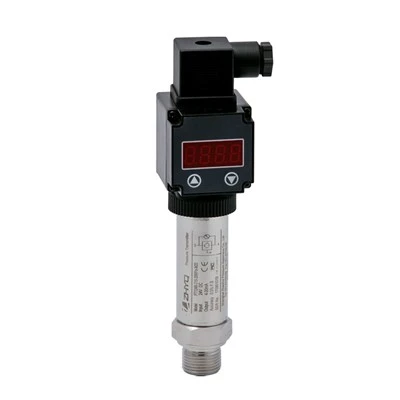
First, let’s define what a general pressure transmitter does, because that’s the foundation of everything else. At its core, a general pressure transmitter is a sensor that measures the force exerted by a gas or liquid against a surface, converts that pressure into an electrical signal (usually 4-20 mA, the standard for industrial sensors), and sends that signal to a controller, display, or SCADA system. They’re built for consistent, low-hazard environments: think water pipelines, food and beverage processing lines, HVAC systems, or general manufacturing equipment. Their design prioritizes accuracy, stability, and cost-effectiveness for conditions where there’s no risk of flammable gases, dust, or ignitable materials. For example, a food and beverage plant using water to wash produce needs a pressure transmitter to monitor line pressure—no risk of explosions there, so a general unit is perfect. These transmitters are typically housed in a lightweight aluminum or plastic enclosure, sealed against dust and moisture with an IP65 or IP67 rating, enough to handle routine industrial exposure without overengineering.
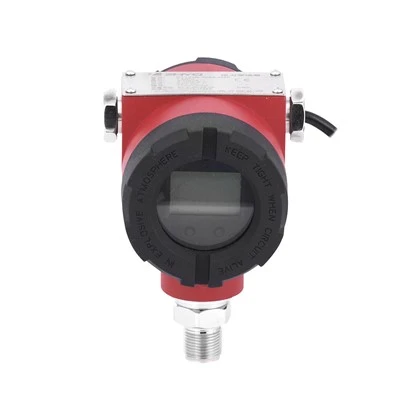
Now, explosion-proof (often called X-proof for short) pressure transmitters are a completely different beast, designed for environments where even a tiny spark could ignite a disaster. That includes oil and gas refineries, chemical processing plants, pharmaceutical facilities handling flammable solvents, grain silos with combustible dust, and even mining operations. The label “explosion-proof” doesn’t mean the device itself explodes; it means it’s engineered to contain an internal explosion (if one ever happens inside the unit) and prevent that spark or flame from escaping into the surrounding atmosphere. That’s not just a marketing term—it’s a regulatory requirement set by agencies like OSHA in the U.S., ATEX in the EU, and IECEx globally, so you can’t just slap a sticker on a general transmitter and call it explosion-proof.
Let’s get into the key differences that matter to you, the end user, because this isn’t just about the box the device comes in. First, enclosure design. A general transmitter’s enclosure is built for protection from the outside: dust, splashes, minor impacts. An explosion-proof transmitter’s enclosure is machined from heavy-duty cast aluminum or stainless steel, with thick, flame-tight joints called flanges that are precision-machined to create a narrow gap—usually a few thousandths of an inch. Here’s how that works: if a flammable mixture seeps into the transmitter and ignites, the explosion is contained inside the enclosure. The flame has to pass through that tiny gap, which cools the flame below the ignition temperature of the surrounding flammable gas, so it never escapes to trigger a larger blast. That’s a level of precision you don’t need for a general unit; machining those flanges adds significant cost and weight, two things that go out the window for non-hazardous locations.
Next, wiring and electrical safety. General pressure transmitters operate on standard low-voltage power, and their internal circuits aren’t designed to contain a spark. Explosion-proof transmitters have intrinsically safe (IS) circuits, or are paired with barriers that limit electrical energy (voltage and current) to a level too low to ignite a flammable mixture, even if there’s a short circuit inside the unit. For a general unit, wiring is straightforward—you can run standard industrial cables straight from the transmitter to your control panel. For an X-proof unit, you need explosion-proof conduit, sealed glands, and often barriers certified by regulatory bodies, which adds installation time and cost. I’ve had customers come to me after making the mistake of trying to run standard wiring in a hazardous area, only to have OSHA flag them during an audit and shut down a production line for three days. That’s a cost that far outweighs the extra expense of the right transmitter upfront.
Then there’s operational performance, which might surprise you. A lot of people assume explosion-proof units are less accurate or less stable because they’re more rugged, but that’s not the case. The difference comes down to the environment they’re designed for. A general pressure transmitter is calibrated for consistent, mild temperatures (usually -40°F to 185°F, standard for most industrial environments) and pressure ranges that don’t involve extreme conditions. An explosion-proof unit is calibrated to handle not just pressure, but also extreme temperature fluctuations, corrosive gases, and high vibration common in refineries and chemical plants. For example, a transmitter monitoring pressure in a gasoline pipeline in Texas has to tolerate 110°F summer heat and 20°F winter cold, plus exposure to crude oil and its byproducts. That ruggedness doesn’t make it less accurate, but it does mean you’re paying for performance you don’t need in a non-hazardous space.
Cost is a big one, and it’s the first thing most customers ask about. A general pressure transmitter can range from $150 to $800, depending on range and accuracy. An explosion-proof unit of the same pressure range and accuracy is often 2 to 4 times more expensive, with some heavy-duty models costing over $2,000. The reason? The materials, precision machining, regulatory certifications, and additional safety components all add up. When you’re working on a tight budget for a non-hazardous application, buying an X-proof unit is throwing money away—you’re paying for features that will never be used, and you might even damage the transmitter over time, because they’re built to handle hazards that don’t exist on your floor.
Wait, but let’s talk about the most expensive mistake I see customers make: buying an explosion-proof unit when they don’t need it, or a general unit when they do. Last year, a small food processing plant near Chicago came to me in a panic. They’d installed general pressure transmitters on their propane storage tanks, and a contractor pointed out the tanks were in a confined space, so they needed explosion-proof units. They’d already spent $1,200 on the general units, and replacing them with X-proof would cost another $3,000—plus, they had to shut down the tank for 24 hours to do the swap, costing them $10,000 in lost production. The kicker? A quick site visit showed their propane tanks were well-ventilated, with gas detectors installed, so a general unit would have been perfectly safe. They’d paid for unnecessary certifications because of a misinformed contractor. On the flip side, a chemical plant in Houston once bought 10 general transmitters for their ethylene processing lines, and a loose electrical connection caused a spark inside the pipe—luckily, no one was hurt, but the transmitter melted, and the line had to be shut down for repairs. That mistake cost them $50,000 in downtime, not to mention regulatory fines.
So how do you know which one you need? Let me walk you through the questions I ask every customer to narrow it down. First: what’s the environment around the transmitter? Is there any flammable gas, vapor, or combustible dust present in concentrations high enough to ignite if there’s a spark? Check your facility’s safety plans, your local regulatory requirements, and any material safety data sheets (MSDS) for the substances you’re processing. Second: is the transmitter located in a classified hazardous area? OSHA and ATEX divide industrial spaces into “hazardous” and “non-hazardous” zones based on the likelihood of an ignitable atmosphere being present. If you’re in an unclassified, low-hazard zone, a general unit is fine. Third: do you need extra features like high accuracy or resistance to extreme temperatures? If your process doesn’t require that, the general unit is more than capable, and will save you money on installation and maintenance.
As a general pressure transmitter supplier, I’m biased, but my job isn’t to sell you the more expensive product—it’s to sell you the right product for your needs. I’ve seen customers waste thousands on unneeded safety features, and I’ve seen customers cut corners on safety and end up paying far more. For most of the projects I work on—water treatment plants, agricultural equipment, HVAC systems, food and beverage processing—general pressure transmitters are the perfect fit. They’re reliable, easy to install, and have a track record of 10+ years in the field for most of my customers. I stand behind every unit I sell, and I offer free calibration support, 24/7 technical help, and a 5-year warranty on all general transmitters, because I know they’re built for the work you do.
If you’re not sure which transmitter is right for your next project, don’t guess. Contact my team today to discuss your application, and we’ll walk you through your options, no sales pitch, no hidden fees. Whether you need a general pressure transmitter for a water pipeline, or guidance on choosing an explosion-proof unit for a hazardous processing line, we’re here to help.
Industry Pressure Transmitter References
- OSHA. (2023). Hazardous Locations: Classified Divisions and Zones. U.S. Department of Labor.
- ATEX Directive 2014/34/EU. (2014). Equipment and Protective Systems Intended for Use in Potentially Explosive Atmospheres. European Union.
- IEC 60079-1. (2021). Explosive Atmospheres – Part 1: Equipment Protection by Flameproof Enclosures “d”. International Electrotechnical Commission.
- Smith, J. (2022). Industrial Pressure Sensors: Selection and Application Guide. Industrial Automation Journal.
- National Fire Protection Association (NFPA). (2021). Standard for Hazardous (Classified) Locations, Classes I, II, and III, Divisions 1 and 2. NFPA 70.
Shanghai Zhaohui Pressure Apparatus Co., Ltd.
Shanghai Zhaohui Pressure Apparatus Co., Ltd. is one of the most professional general pressue transmitter manufacturers and suppliers in China, featured by quality products and good service. Please rest assured to wholesale advanced general pressue transmitter in stock here from our factory. Also, customized service and 1 year warranty are available.
Address: 2-6/F, Building 8, No.115, Lane 1276, Nanle Road, Shanghai, China
E-mail: sensorsales@zhyqsensor.com
WebSite: https://www.sinosensor.net/
